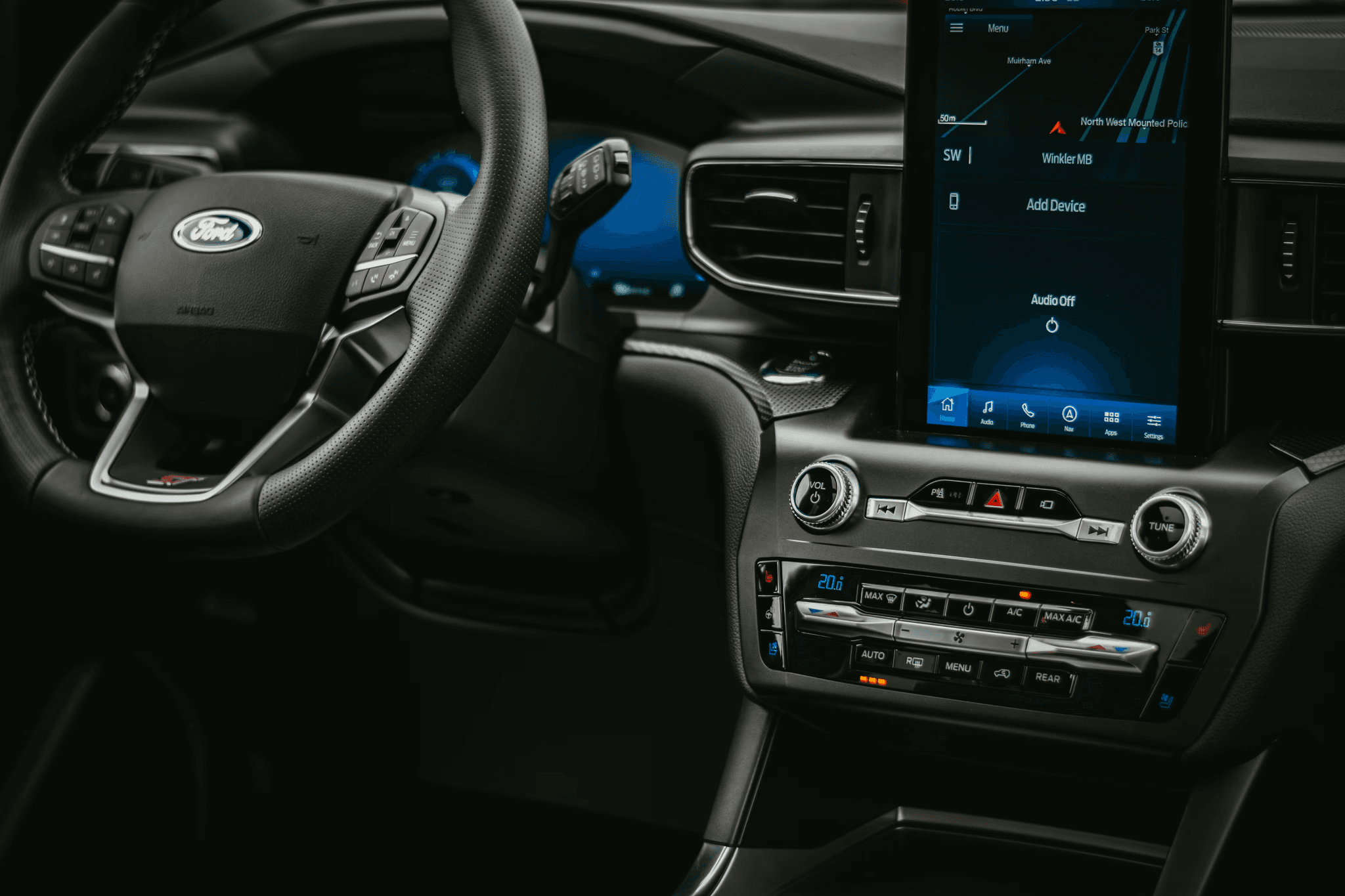
As fleets lifecycle their assets, newer model vehicles are beginning to give managers the ability to enable device-less telematics, connecting vehicles through software, without installing physical tracking units, as a significant improvement for efficiency within daily operations. Access to live vehicle data without the need to install a 3rd party device is a benefit to organizations, their employees, and the drivers themselves. So much so that fleet managers are starting to weigh the capability in their vehicle ordering decisions. Being able to ‘turn an asset on’ remotely on day one is more than a technical upgrade; it’s a strategic move that enhances productivity across multiple workflows while putting the focus back on managing vehicles—not wrestling with hardware.
Why Device-less Matters for Fleet Operations
Traditional telematics systems have long relied on physical devices ranging from $25 - $100 per unit, each requiring installation, periodic maintenance, and eventual removal when vehicles are rotated or retired. For a fleet operator, these manual interventions translate into real operational headaches: lost time, added labor, delayed asset activation, and disruptions every time a new unit enters or leaves the roster.
Device-less telematics takes this burden away from fleet teams. With software-based tracking and monitoring solutions (leveraging in-vehicle APIs and cloud connectivity directly from OEM integrated systems), managers can activate, monitor, and decommission vehicles instantly—no warehouse, technician, or downtime required.
- Fleet managers avoid scheduling installations and removals, eliminate appointment and wait times, and reduce coordination across internal teams and external vendors.
- Vehicles enter service faster, spend more time on the road, and leave fewer gaps in revenue-generating activities.
- Operations teams no longer face surprise device failures, lost hardware, or leftover costs tied to misplaced or obsolete units.
Illustrating ROI on Connectivity
For example, compare a leading device-less solution at $15/asset/mo (with $0 device cost) to conventional providers charging $70/device upfront and $25/asset/mo—applied to a fleet of 800 assets over a year:
| Solution | Device Cost (Per Asset) | Monthly Fee (Per Asset) | Total 1-Year Cost (800 assets) |
|---|---|---|---|
| Device-less (Software) | $0 | $15 | $144,000 |
| Hardware-based Provider | $70 | $25 | $296,000 |
Over 12 months, the device-less option saves $152,000 which is more than 51% cheaper compared to a traditional hardware-based option for this size of fleet. This figure excludes soft savings from avoided labor, minimized downtime, and streamlined onboarding. For multi-site fleets or those frequently rotating inventory, the actual ROI is likely much higher.
Recent industry analysis shows fleets adopting device-less solutions are activating new assets up to 85% faster and cutting legacy maintenance expense by double-digits compared to hardware-dependent programs (FleetOwner, 2025).
Benefits to Real-World Processes
Device-less telematics also solves nagging workflow gaps for modern fleets:
- No more lost hardware—With everything managed in the cloud, asset swaps occur in minutes, not hours.
- Instant onboarding—New units are tracked at delivery, not after installation wait times.
- Flexible scaling—Expanding or contracting fleet size is as simple as updating an online dashboard.
- Cleaner asset lifecycle—No unreturned devices or write-off costs at vehicle disposal.
Operators experience improved transparency, faster ROI realization, and fewer headaches across procurement, compliance, and maintenance teams.
As organizations look to enhance vehicle utilization and reduce total cost of ownership, device-less telematics delivers a practical, scalable advantage over previous solutions.
If your team is interested in understanding how our clients leverage device-less telematics today, please reach out: hello@proaction.com